

BioBank Sample Storage
Monitoring for Biobank Sample Storage
Data Loggers for Precise Temperature Control in Biobank Sample Storage Applications
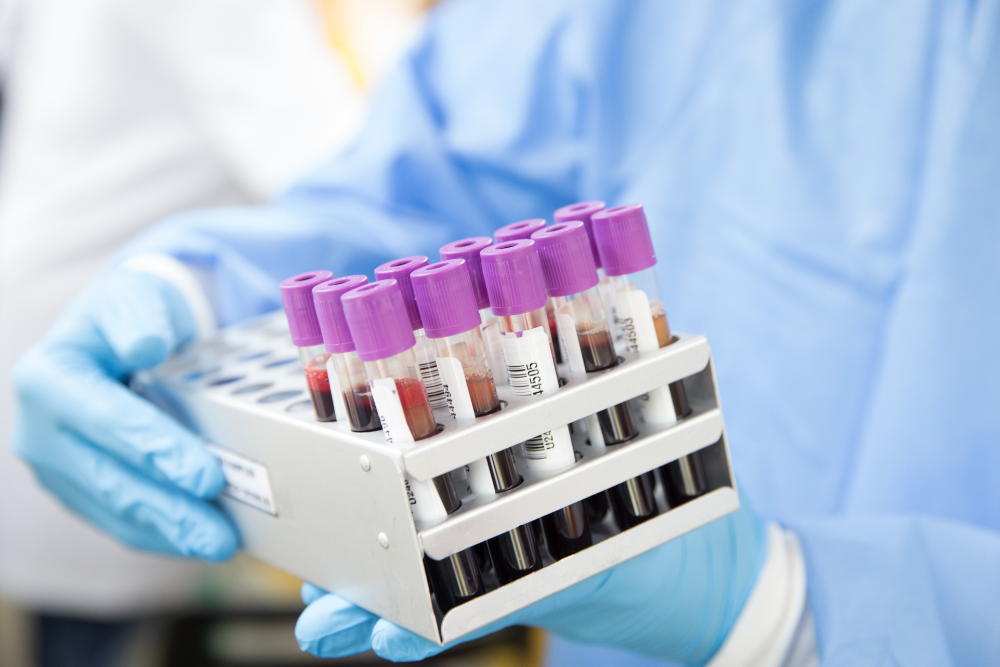
A biobank sample storage facility is built specifically to house a variety of collected biological samples for long-term preservation. They collect, process, store and manage samples varying from types of blood and tissues to DNA and stem cells.
Biobanks rely on cold storage monitoring to provide precise temperature control and ensure the safety and stability of any biobank stored sample. Researchers, clinical trials and other healthcare systems will often rely on these samples to treat patients and develop new medicines.
Why is Biobank Sample Storage Important?
Biobank sample storage is essential for public health, life sciences research, and the long-term preservation of biological materials. Biobanks and biorepositories store and protect valuable specimens, including rare and unique biological samples, ensuring they remain safe for future generations.
These biobank storage solutions support ongoing research, clinical trials, disease understanding, and the development of new medicines. Rare or historical samples preserved in biobanks contribute to both scientific knowledge and future healthcare innovations.
Typical biobank storage conditions include:
- Ultra-low temperature (ULT) storage: -80°C to -150°C
- Low-temperature storage: -20°C to -40°C
- Refrigerated storage: 2°C to 8°C
- Cryogenic storage: -196°C using liquid nitrogen, fully calibrated and validated
A reliable biobank temperature monitoring system is required to maintain these precise conditions. Continuous temperature monitoring ensures the integrity, safety, and compliance of all biological samples in a biobank, supporting research and protecting valuable materials for future use.
Vital aspects of biobank sample storage monitoring
When managing biobank sample storage, particularly in large facilities or where specimens are highly valuable, multiple layers of monitoring are essential. Effective biobank temperature monitoring systems ensure the integrity, safety, and compliance of stored samples.
Most biobank storage facilities implement at least three layers of monitoring to maintain precise control over temperature, humidity, and storage conditions:
Monitoring the entire biobank sample storage facility
The entire facility in most biobanks will require close temperature monitoring to maintain integrity, stability and precise environmental conditions across the entire biobank.
Monitoring multiple systems within biobank sample storage
Effective biobank sample storage requires monitoring not only the overall facility but also individual storage areas. Each freezer, chamber, or tank should have its own dedicated temperature monitoring system or data logger to ensure precise control and stability of the samples stored within.
Temperature mapping for biobank sample storage
Before any monitoring devices are placed, a temperature mapping report should be conducted to highlight hot or cold spots within the facility. Ensuring that additional monitoring is applied where necessary, beyond general temperature checks. Proper temperature mapping of your biobanks helps maintain consistent conditions for all stored biological samples, a service that Withnell Sensors can provide.

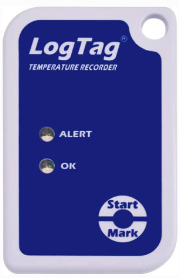
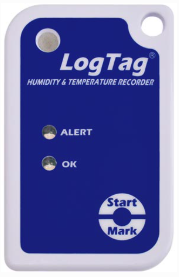
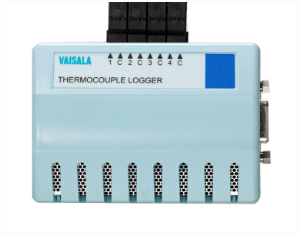
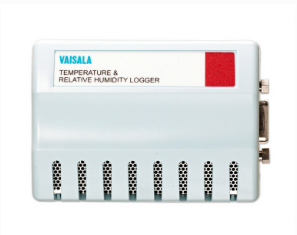
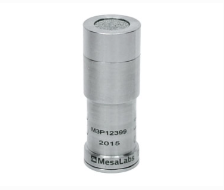
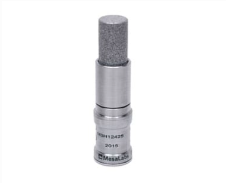
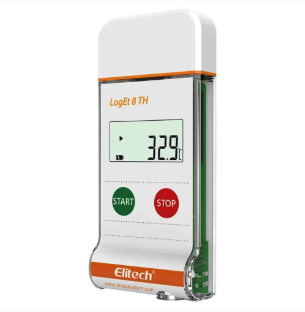
Suitable Devices for Temperature Monitoring Biobank Sample Storage
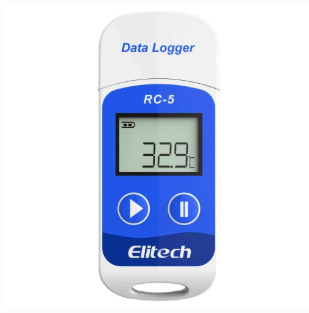
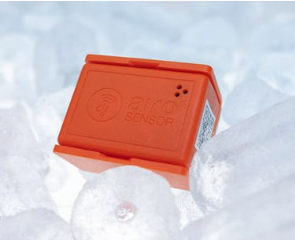
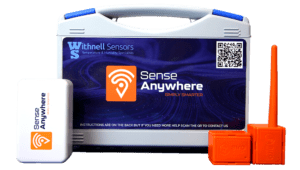
Facility-wide monitoring covers the entire biobank, using multiple temperature data loggers to ensure large-scale coverage, operational safety, and disaster prevention.
Individual storage monitoring focuses on specific chambers or units, where real-time alerts, precision, and accurate environmental control are critical to maintain sample integrity.
Temperature mapping reports validate the internal conditions of your biobank sample storage facility, detecting inconsistencies and helping optimise the layout for efficient monitoring and storage performance.
All three monitoring approaches benefit from the below features: