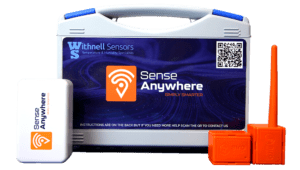


Warehouse Temperature Monitoring
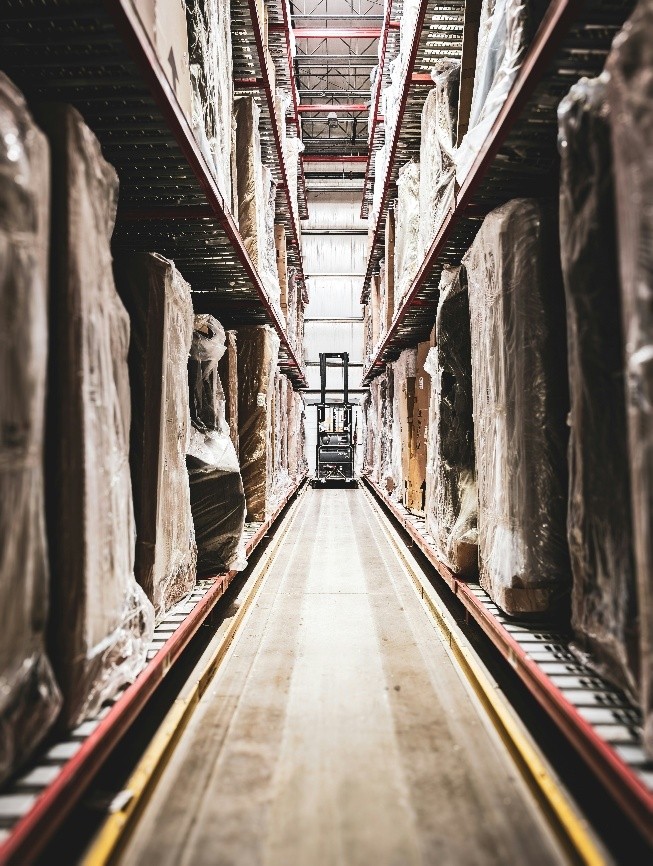
Compliant Warehouse Temperature Monitoring
WHO provides guidelines on good storage practice, as well as The Joint Commission who sets standards for environmental control in healthcare facilities. Maintaining accurate and available records of temperature and humidity levels is a crucial requirement for demonstrating compliance and product safety. Warehouse temperature monitoring also minimises damage to the space and what’s stored within it.
Managing temperature across large warehouse spaces is key to staying compliant and protecting product quality. Through continuous monitoring systems, we help deliver accurate, real-time data to maintain the right conditions for goods to safely reach the market. This data will help determine ideal equipment orientation inside warehouses, all of which plays a crucial role in ensuring your facility remains compliant.
Storage conditions are inspected regularly, and a traceable audit trail of temperature data can help assure quality control parameters are in place in your warehouse.
Implementing a regulatory temperature monitoring system for warehouses
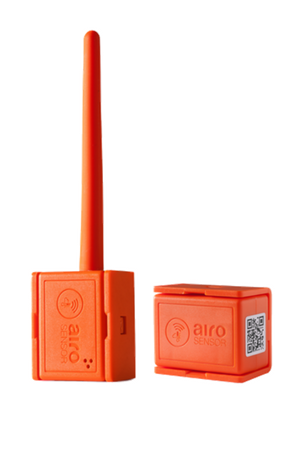
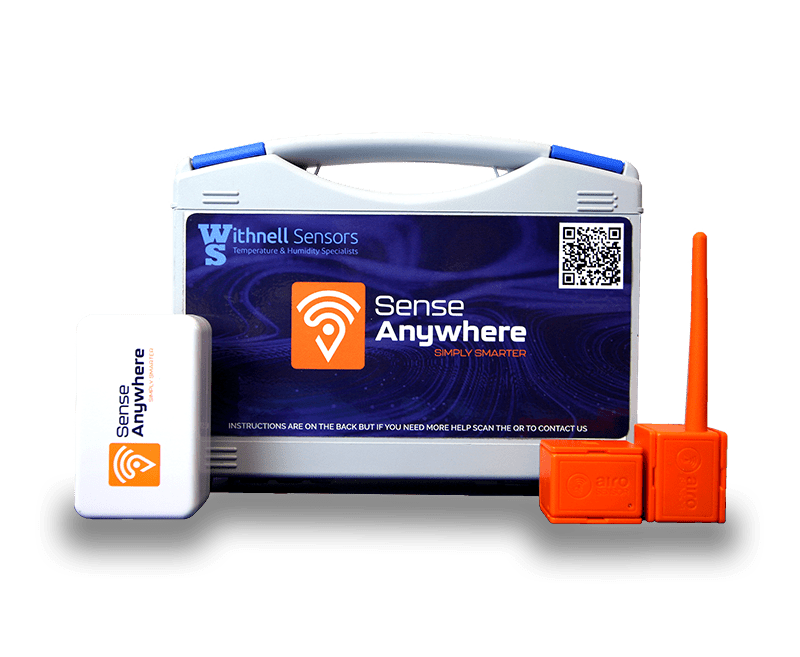
Often, warehouse temperature monitoring is conducted using data loggers. Data loggers are designed to determine, record and store environmental data over time. Typically, they measure the surrounding temperature and humidity to best adhere to industry practices (they can also be used to plan warehouse layouts, and optimal product storage spaces). Our vast array of data loggers are able to identify any deviations from your desired environment and notify the most appropriate personnel through a variety of methods.
The type of data logger you require heavily depends on what type of monitoring system you need. Data can also be stored safely and securely. Authorized personnel can view trend lines of your space. As well, an accurate depiction of your environmental profile can be created and facilitate personnel to make informed decisions about the space to help deliver consistent, reliable environments.
Selecting the right data logger for your warehouse facility
We offer a large portfolio of carefully selected data loggers from some of the worlds leading brands for your various temperature and humidity monitoring applications.
There are so many data loggers available each with their own benefits and disadvantages, so picking the one that is right for your specification and needs is crucial. This can range from your budget, technical criteria, maintenance and shelf-life. We are available to offer unbiased, expert advice so we can help you pick the right data logger for you warehouse storage requirements.
Data loggers for warehouse temperature monitoring include features like robust data storage, customisable alarms with real-time alerts, high accuracy and resolution for environmental conditions, and compliance with industry standards.
Having features such as ‘remote monitoring’, means personnel aren’t responsible for monitoring the warehouse conditions constantly using manual monitoring devices. By having a 24/7 system in place, our data loggers can notify authorised personnel that there is a variance in temperature which can then be investigated. If temperature or humidity fluctuates for a prolonged period of time, it will result in the possibility that the stored items will not be compliant and therefore cannot be distributed to the public. In addition, our data loggers can store data in a centralized location. This data doesn’t need to be manually uploaded from each data logger but is sent in real time. As a result, data can be reviewed and assessed whether the warehouse is maintaining its ideal environmental criteria.
Optimising warehouse energy use with real-time monitoring
Maintaining precise temperature control across a large warehouse is essential not just for product quality, but for energy consumption and cost control. Withnell Sensors supports businesses in achieving both with warehouse temperature monitoring solutions that deliver reliable, real-time data.
In large storage environments, inefficient temperature regulation can lead to energy waste as well as compromised product integrity.
A crucial element of warehouse temperature control is HVAC systems, also known as heating, ventilation and air conditioning. Managing temperatures is reliant on these HVAC systems since they often operate differently at different locations in the warehouse.
Spanning air ducts, gas boilers, electric boilers, heat pumps, flow systems and much more, the HVAC system is arguable the costliest factor of operating a warehouse.
Your temperature and humidity system feeds directly into HVAC management as the temperature data is often used to initiate cooling, heating and the overall climate.
With an advanced warehouse temperature monitoring system, you can make sure that any problems are detected early to:
- Firstly, reduce product waste.
- Secondly, optimise the use of your HVAC systems to improve energy efficiency.
- Thirdly, reduce costs associated with inefficient HVAC use.
- Lastly, reduce any further costs that come with the overhead of running 24/7 personnel responsible for temperature monitoring and HVAC system management.
Through remote warehouse temperature monitoring, you can optimise HVAC performance, reduce energy consumption, lower carbon footprints, decrease overall operating expenses and much more.
Our solutions are designed to scale across any facility size, providing 24/7 visibility into warehouse conditions. Stored data is securely logged and easy to access, enabling your team to identify trends, maintain compliance, and achieve long term efficiency and performance.
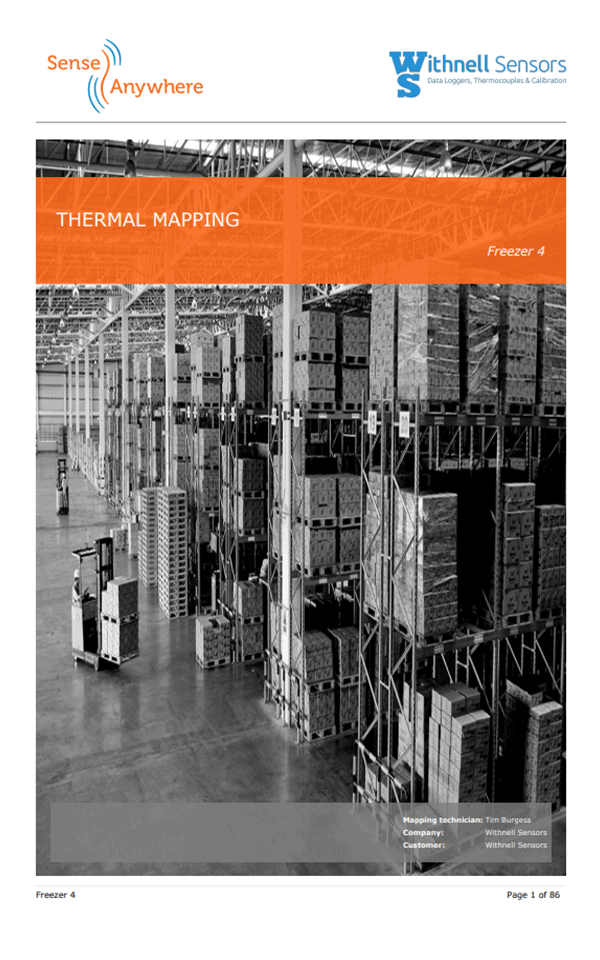
Learn more about our temperature mapping services.